
The Etsy Shop Starter Guide: Top 3 Do’s and Don’ts Every Beginner Should Know

Take a pause to celebrate this moment. I am so proud of you for opening your first Etsy shop! You have officially joined the Etsy seller club, so big congrats to you! At this point in time, you might be interested in learning what it takes to run an Etsy shop.
As an Etsy seller for over 3 years, I have had my fair share of hurdles and mistakes that I want to share, along with things you should be doing to keep your Etsy performance positive. Based on current stats, my conversion rate is 2%, which means my shop is converting at normal to slightly above average for Etsy. So, this blog is coming from my personal experience of being a small art business selling stickers, art prints, and greeting cards on Etsy. I will start from the very beginning because this leads to where I am now with my own Etsy shop and the reasons behind the tips I share later.
Launching My First Etsy Shop
When I first launched my Etsy shop back in February 2023, I initially sold digital templates and these were baby shower related items, such as signs and the nursery rhyme game (with answers). My first products had nothing to do with the ChubCatArt brand or any of the positive messaging or cat art I’ve created since starting ChubCatArt in 2020.
Despite this, I made my first sale three months later in April. I eventually added stickers to my Etsy listings in May and then this evolved into linking many of my listings to my Printify shop, a print-on-demand platform. This way, Printify could help produce and ship products that I cannot make at home with my art, such as t-shirts, sweatshirts, and notebooks.
This was very exciting at first. At the time, it seemed like print-on-demand was the solution to success and a way to easily get more sales. I felt this could really help fill a gap in my business because I was able to digitally create art that was trending (e.g. bohemian art style) and quickly put an Etsy listing up of a product of my choosing from the wide selection at Printify. At one point, I think I had over 30 Etsy listings.
I made a total of $96 in sales in 2023, excluding fees. Most of the sales came from friends and long-time fans who wanted to support my new Etsy shop. Sales the following year was slightly better and some customer purchased items that were created and shipped by Printify. (I know this blog is supposed to focus on Etsy, but the next background information is relevant, I promise!)
Reasons Why Printify Was No Longer Working For Me
I started noticing the downsides with Printify. The manufacturing and shipping costs were high, which meant that I had to increase the price of my products. This made my products more expensive than similar products on Etsy.
Secondly, I didn’t know how some of the materials would turn out and how durable the product would be. I also didn’t know how my art looked in real-life on Printify products. I felt that ordering samples was pretty expensive, especially since I had many products associated with Printify. I was limited to trusting the mockups on Printify and, since I did not order samples, I wasn’t able to take photos of the art products myself.
Thirdly, it started to feel disingenuous to have Printifiy products on my Etsy shop. When someone ordered a sticker product from me (which I have inventory of) and also a Printify product at the same time, the shipment from the two would be different. This would result into delivery at different times and coming in different packages. In my personal opinion as both a seller and a buyer, I rather receive one package with everything or receive different packages from the same place.
Lastly, my branding on my Etsy shop was inconsistent with Printify products, which was my biggest issue. I used standard mockup photos from Printify and while that was not a problem, other Etsy shops would use the same mockups too. Even if the art is unique, my products wouldn’t stand out as much. And to the customer, it might add skepticism to my products and potentially wonder if my Etsy shop is legit or not. This is obviously something I do not want!
The Turning Point of My Etsy Shop
I started to phase out my Printify products from my Etsy shop and I focused on selling products I have been making myself beyond stickers, such as art prints, greeting cards, and a digital brush. I photographed product listing photos with intent and ensured they would consistently match in terms of background and natural lighting. The main difference was that some products had different props.
Whether you take them yourself or hire a professional photographer, I believe there’s a unique quality and personal touch in these photos, which helps them stand out in a sea of other competitive Etsy listings. I was able to take photos in the way I wanted and in a variety of angles to provide a potential customer more context. Also, having consistent Etsy listing photos that matched my brand really enhanced the aesthetic value of my shop as a whole, as an example here:
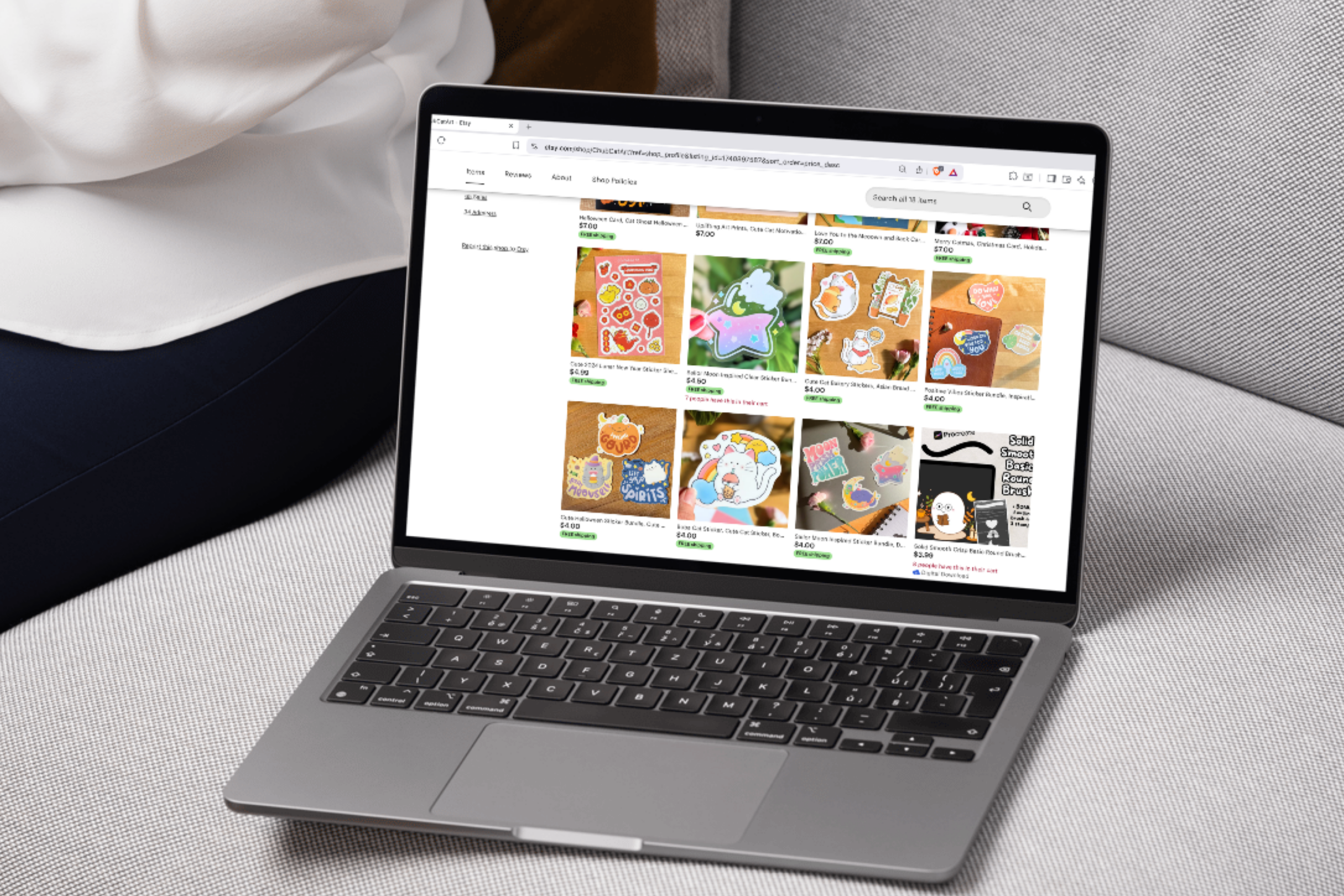
In terms of sales, I cannot tell if it’s better or the same yet since I removed Printify products and updated my photo listings just a couple of months ago. Based on analytics, it seems like shop views have been generally the same. However, my Etsy performance dropped due to one mistake I made last year, which I will share as one of my Top Don’ts. Now, let’s finally get into the top 3 do’s and don’ts every beginner should know when opening their first Etsy shop!
Top 3 Do’s (Beginner-Friendly Edition)
1.Do edit your listing photos, but mildly
It is ok to make slight enhancements to your photos, such as lightening dark areas or shadows and perhaps a slight increase in saturation to make the photos more vibrant. However, avoid editing the photos too much because these photos set the expectations of the color of the product. Customers expect the product colors to be similar or close to what they see in the photo.
As much as you can possibly can, try to match the product colors in the photo as close to what they are in real-life. This way, customers are not surprised when they receive the product and expect different colors. While adding a note in the listing indicating the computer monitor may not show product’s true colors completely, I still think sellers should do their due diligence to capture and show the product in a realistic way. It would feel more genuine and authentic, and, hopefully, leads to a potential customer trusting your shop and eventually making a purchase.
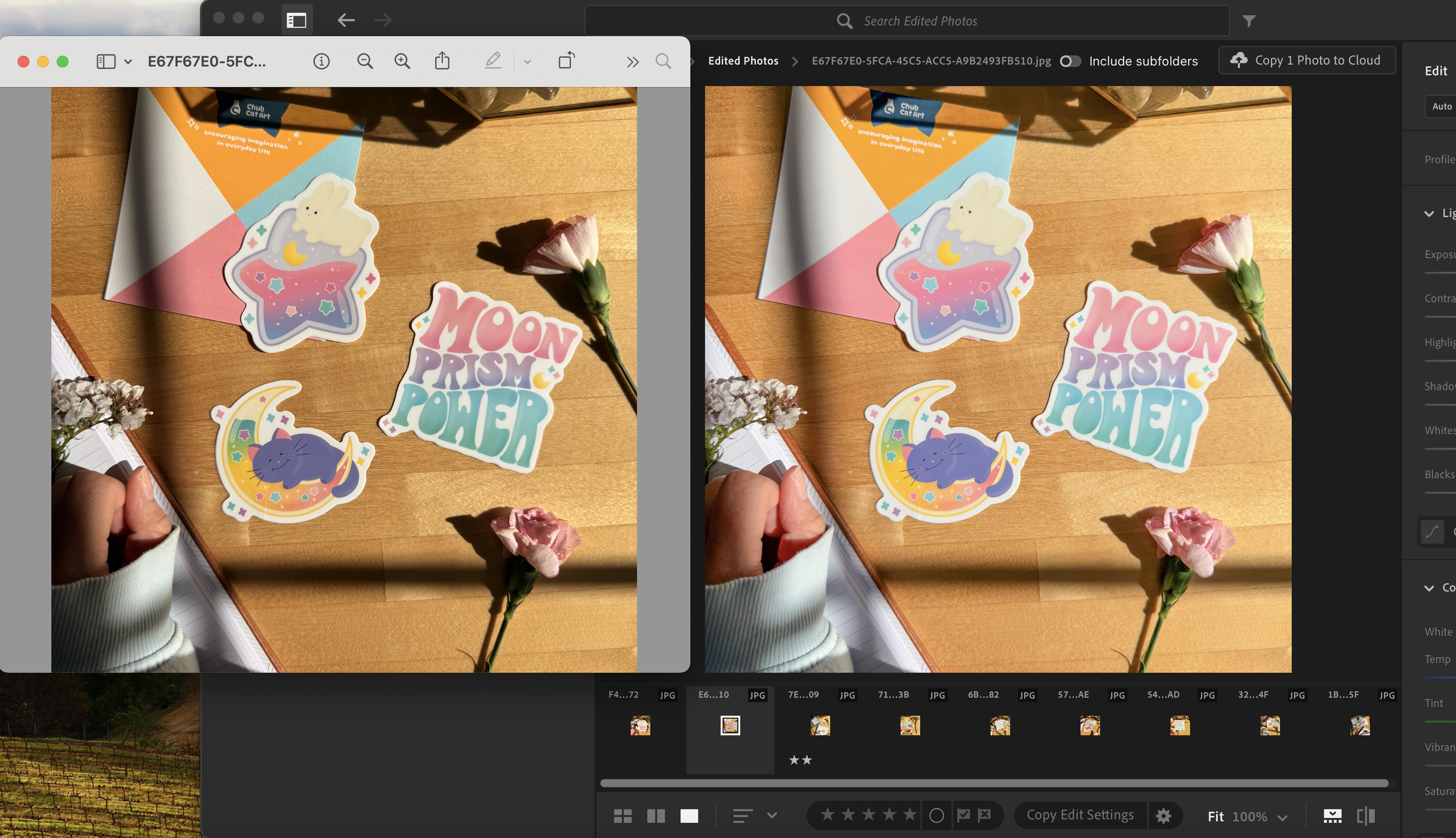
The best photos are taken in natural lighting and use your judgement on the ideal background against your products. For reference, I used my Iphone 16 Pro Max for my Etsy listing photos and I used Adobe Lightroom to make minor edits. The right photo is the unedited version and the left photo has been edited.
2.Do have multiple, external links to your Etsy shop
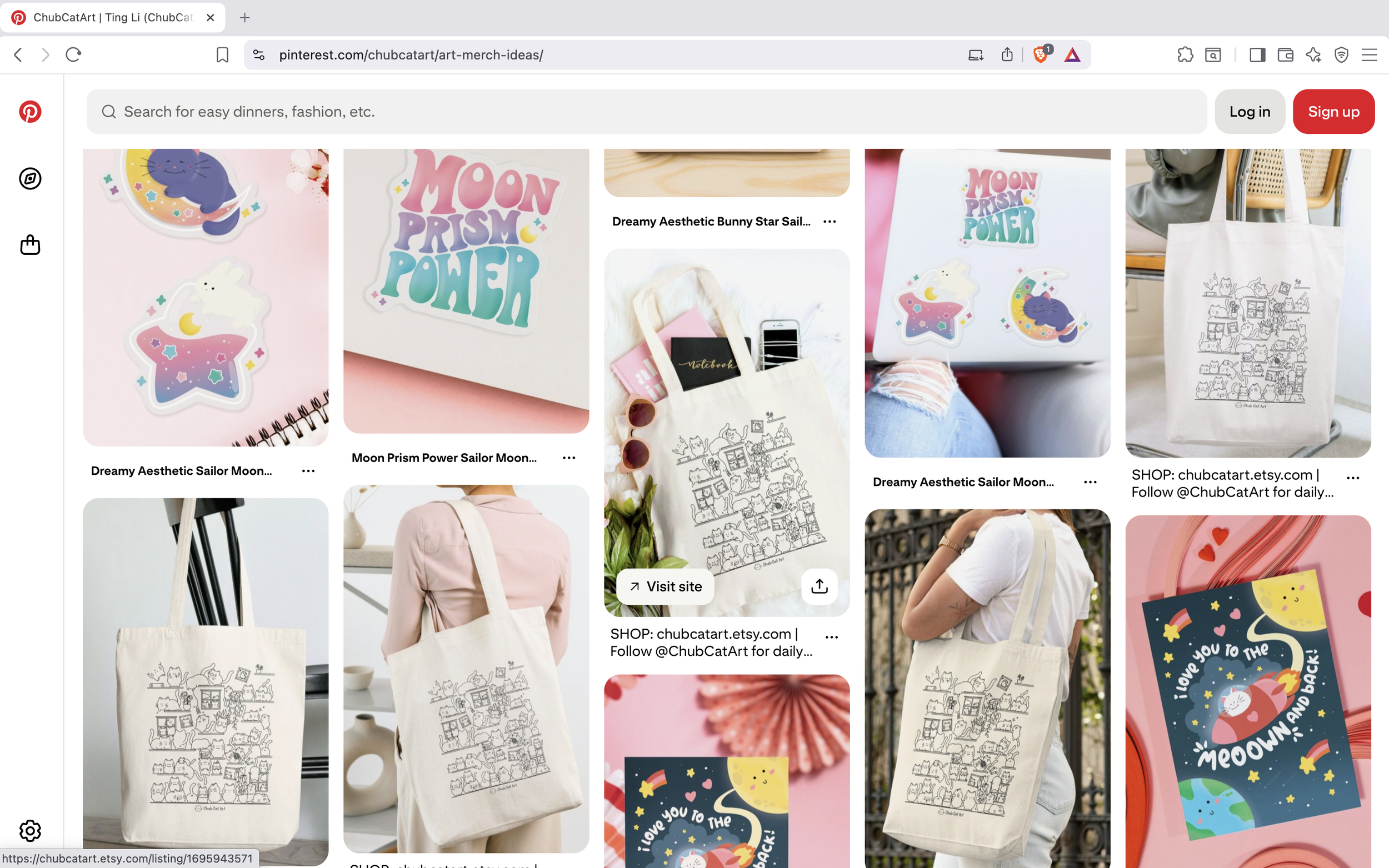
Etsy loves when external links from other sites, such as your website, Instagram, email newsletters, and Pinterest, help drive traffic to your shop. This indicates to Etsy that your shop is popular beyond their own platform and can help improve your search ranking over time. My website currently provides a link to my Etsy shop in the center header and my Pinterest pins of my products also link to their individual listings on my Etsy shop. My YouTube and Instagram also have links to my Etsy shop. (As you can see, these pins show my older, phased out mockups I used previously in my Etsy listings).
That being said, not all traffic is good traffic. If bounce rates are high, this will negatively impact conversion rates. As a result, this can hurt your listing performance and, potentially, your Etsy shop as a whole. Ensure traffic is engaged and targeted. This means people clicking on these external links should be interested in your products, are staying and browsing through your shop, and, ideally, making purchases.
Of course, this is easier said than done. I personally haven’t mastered this fully yet and I am still figuring this piece out. Part of it is continuing to promote my art and my work on social media to reach more people, such as blogging, Instagram and YouTube. I recently started to run Pinterest ads on several of my product pins and will likely continue the experiment to see whether they not only drive traffic, but conversions. (Stay tuned for an upcoming blog about this!)
I also think being part of your local art community can help expand your audience because you can network with other artists and get referrals. Additionally, I have my art products at a physical local gift shop, so local customers can find me there. Create different opportunities for people to find you. The more you can spread your art products, the more possibilities for people to turn into potential customers. And once you get leads, offering discounts for first-time customers and/or other perks can drive conversions.
3.Do maintain consistency in Etsy listing product photos
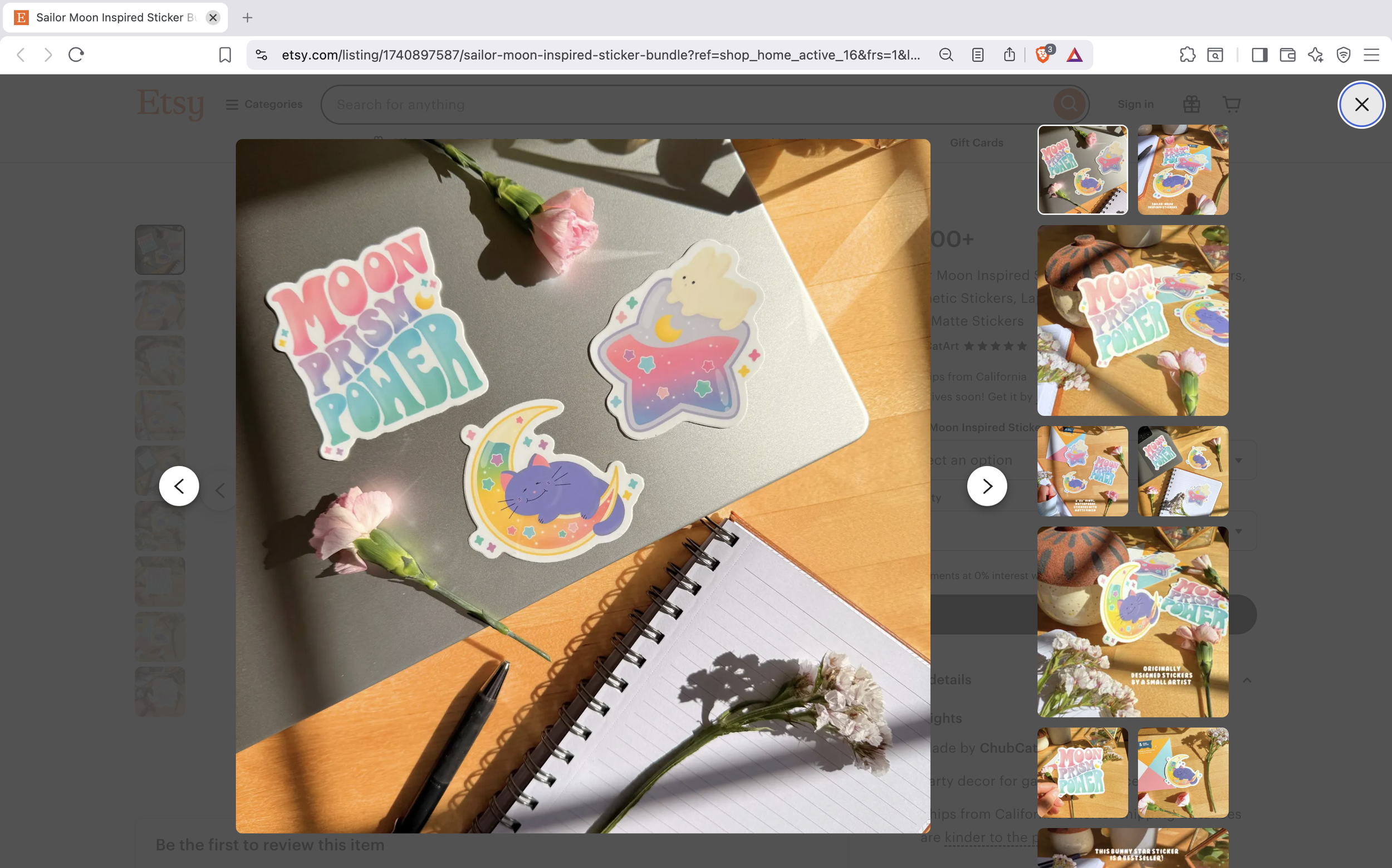
This means having consistent listing photos for one product AND also having consistent photos throughout your shop. Aesthetically, your Etsy shop would look much more cohesive and on brand this way. For example, the online Uniqlo shop has product photos with the same white background used behind models and the same bright lighting is used throughout.
With consistent product photos, this can build trust and legitimizes your shop, especially for first-time visitors who do not know you. Also, you can photograph in a way thats allow you to stand out a little bit more. Ideally, if you can afford a professional product photographer, that is even better because your shop shows professionalism and appears more trustworthy and high end. Removing customer doubt is part of the key to success!
Top 3 Don’ts (Beginner-Friendly Edition)
1.Do not set your Etsy shop on Vacation Shop…Ever!!
I repeat, do not ever set your Etsy shop on Vacation Shop even if you are actually on vacation. I learned this the hard way when I went on a 10 day vacation to Paris and Germany last year in September. I thought that setting this would be a good thing, in case I get any orders while I was out in another country. I now know that in practice, it is, but in reality, it was not. And I paid a hefty price for it!
What happens when you set your Etsy shop on Vacation mode is that your shop is essentially in lock mode where people can still go to your shop and view your listings, but they cannot buy anything. No harm no foul, right? Nope, I was dead wrong. What also happens is that if your shop is on Vacation mode, Etsy won’t show your shop in the search results as much or perhaps, not anymore. That makes sense, as they want to promote shops that are active and for people to make purchases. Setting your shop to Vacation Mode can lead into a “temporary” drop in visibility and engagement. You also won’t be able to receive new data, so you won’t get new insights on visits, sales, or favorites during the time you are inactive.
Your performance metrics may drop depending on how long you are away. While my trip was 10 days, I actually set my Etsy shop on Vacation mode a few days prior because I didn’t want to get orders a few days before my flight. Also, with jetlag after coming back, I didn’t activate my Etsy shop immediately and needed a few days to get back into routine. Essentially, my Etsy shop was inactive for two weeks.
When I reactivated my Etsy shop, my performance was unsurprisingly negative. In my experience, it took over 3 months to finally see my shop back with normal performance and visibility. While it didn’t cause long-term or permanent damage, I felt like it caused short-term damage, especially since the months after September were the holidays and I felt that there was a loss of potential traffic into my shop during this critical buying season.
Of course, this is just my POV. If you absolutely must and have good reason to, you can set your shop to Vacation mode. Just brace yourself for the potential loss of visibility and momentum if you do, whether you are going for a few days or for weeks. Every Etsy shop is different and may experience different results. On the bright side, it seems like if you are gone for less than a week, your shop should experience almost no negative impact and can usually bounce back right after. And during the rebound period, you can do a couple of things to boost your visibility in your shop, like sending traffic from Pinterest, updating or adding a new listing, or running a small sale. I didn’t realize until now that there are ways to help improve performance, so I will try these next time if I ever need to put my Etsy shop on Vacation mode again.
3.Don’t keep prices low to stay competitive
When I initially created my Etsy shop, my own art products were generally lower than my competitors’ (aside from my Printify products). For example, I sold (and still currently sell) 3” matte stickers at around $2 each in 2023. This was pretty low and barely covered shipping label costs, but I thought this was a way to get buyers more motivated to buy my products.
Usually this does work, but I have come to realize that this can also do the opposite - at least with online shopping anyway. Low prices can potentially mean low end products and can actually discourage people from buying them. At the minimum, your pricing should match your competitors’ pricing for products that are similar in size and quality. And personally, I don’t want to appear like “Temu,” a shopping platform that sells products at extremely low prices and their products can be a hit or miss. I want to appear like a professional stationary small business shop who offers quality products.
For me, I kept my prices low for far too long. I think I did minor price increments either 1-2 times a year or when the new year begins. It wasn’t until recently I had the courage to price my products where they should be. And guess what?! Sales are still being made when I did. Also, my price increase didn’t really affect my sales and my performance generally remained the same.
A way to stay competitive is that you can sell your “B” grade products at a reduced cost, so you don’t automatically exclude potential buyers who like your art, but may just want something more affordable. You can also have these “B” grade products when you are a vendor at local markets too!
3.Don’t ship internationally, until you do your research
In my experience, it took some time for me to understand domestic shipping through Etsy and how to ship my products properly and in a timely manner, including packaging and shipping labels. I am typically a fast learner, but shipping orders was at first like another world to me and I needed time to figure it out. I know it is quite an easy process but as someone who grew up in the 90's, I like to do my checks and see how streamlined everything is!
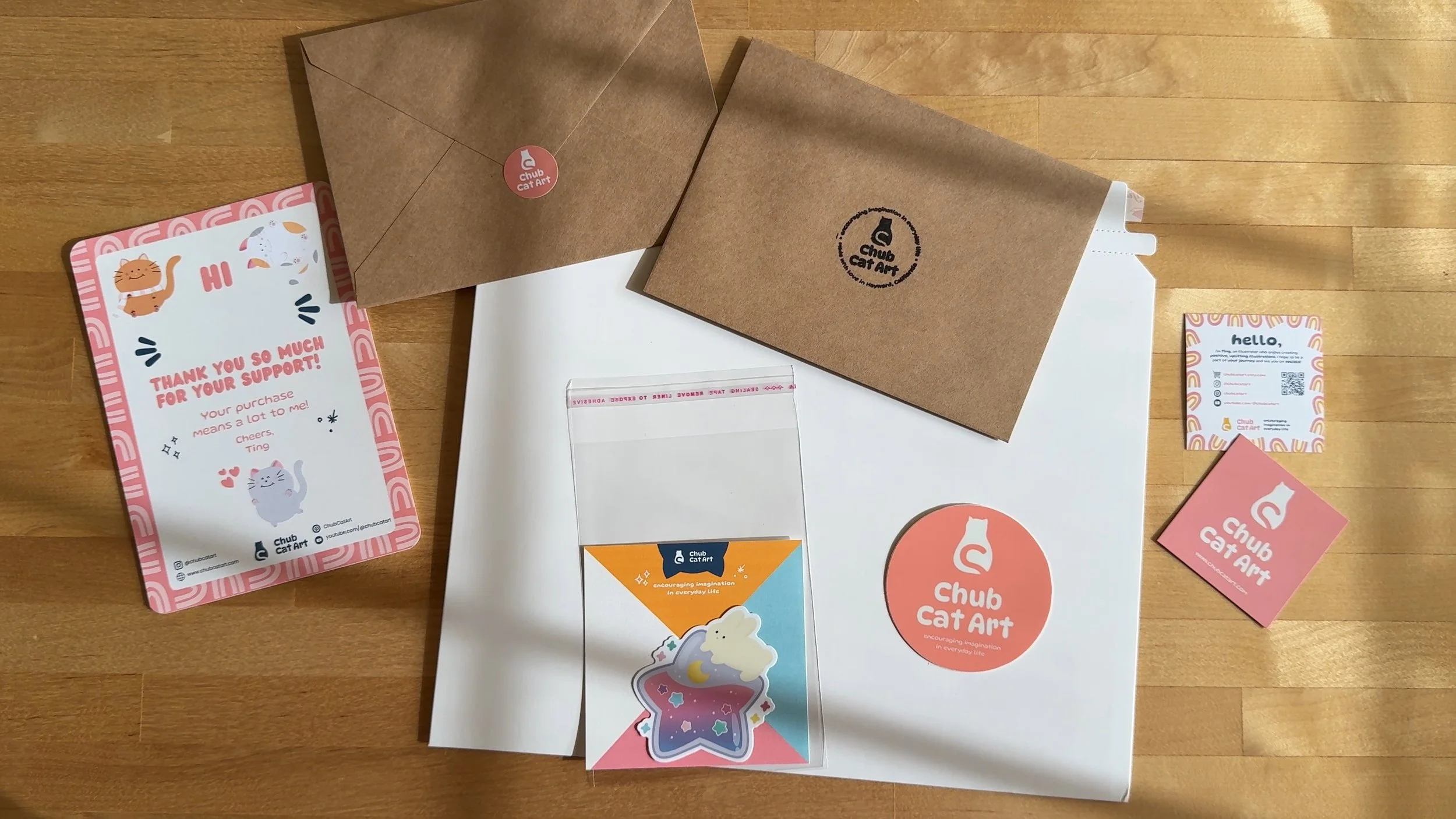
When you first start your Etsy shop, I recommend only shipping domestically. Once you do get a hang of shipping your products domestically, you can consider shipping internationally. I highly recommend doing your research first to see current international rates and if additional charges are needed when buyers receive the package overseas, especially with new and changing tariff rules. If your shop is located in America, I recommend testing out international rates to Canada first and see how that goes. Take baby steps with this, not long leaps.
When shipping internationally, you may open yourself to extra challenges, such as lost, damaged, or delayed shipment. This would be mean potentially needing to provide refunds if a customer claims to have never received the package or any other issues. Just be ready for these anomalies.
Throughout a majority of my shop’s lifetime, I’ve been getting shipping labels through Etsy and, based on my package size and weight, it is generally cheaper than other third-party providers. Feel free to do your own research on how international shipping costs are for your products.
Final Thoughts
There’s a lot to consider and figure out when running your first Etsy shop, but with experience, you will eventually learn and get better. Don’t be discouraged during slowdowns or when your performance becomes negative - it all happens to us. Keep promoting your products and find other ways to boost your visibility.
As a first time Etsy seller, you will at some point experience people having issues with their purchase. It will be a learning curve to resolve these issues, but maintain good customer experience and do your best in finding a resolution. Be sure to set policies for refunds and exchanges. Another tip is to provide a note to your customer to write an Etsy review on your thank you card. I handwrite this for every order and it works most of the time. Maintaining at least a four star Etsy shop rating is beneficial too!
I shared in the beginning that Printify did not work for me and the reasons why, but if you would like to try Printify or any other print-on-demand platform to help ease your production process, try it out yourself. I have shared my woes, but there is always the possibility that I might try Printify again, if I am able to find ways to address some of the issues described above.
If you find these tips helpful, let me know in the comments! If you do have an Etsy shop, comment below because I would love to support another fellow small art business. I hope you were able to gain some insight about what it takes to run an Etsy shop and that you will take some of these into consideration as you continue to refine and improve your Etsy shop. Good luck!
Happy creating,

Interested in working with me? Fill out the Contact Form.
Check out my portfolio or my latest work on my IG @chubcatart!
For brand collaborations, check out my media kit.

If you are looking to build a strong online presence with your art, you are in the right place! Here at ChubCatArt you will find resources that will help you stand out and be seen in your art journey. Take the leap and let’s get creative together! Read more.
You might also enjoy…



A blog post sharing top 3 do’s and don’ts every beginner should know when opening their first Etsy shop.